



Have a Question?
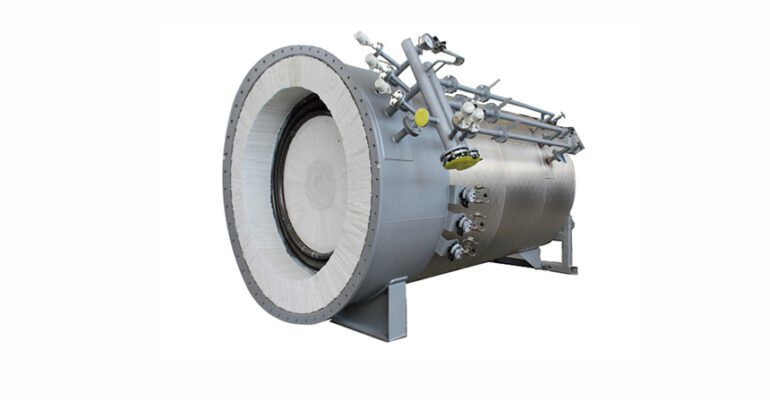
Waste Heat Thermal Fluid Heating Systems for High-Temperature Process Heat
Industrial processes often generate large amounts of high-temperature flue gases that are released unused into the atmosphere. A Waste Heat Thermal Fluid Heating System captures this thermal energy and converts it into usable process heat through a circulating thermal fluid system.
AURA systems are engineered to recover waste heat efficiently, helping industries reduce fuel consumption, lower operating costs, and improve overall energy efficiency without additional primary energy input.
Designed for continuous industrial operation, these systems provide reliable high-temperature process heating while supporting more sustainable production environments.
What is a Waste Heat Thermal Fluid Heating System?
A waste heat thermal fluid system transfers heat from hot exhaust gases into circulating thermal fluid using a specially engineered heat exchanger.
Instead of wasting thermal energy through stacks or exhaust systems, the recovered heat is reused for industrial processes requiring stable and controlled high-temperature heating.
AURA systems are custom-designed for each application, ensuring optimized heat recovery, reliable operation, and seamless integration into existing process infrastructure.
System Properties
- Heat source: Flue gas / exhaust gas
- Source-side temperature: Up to 2,192°F if final approved
- Output Medium: Thermal Fluid
- Thermal-fluid temperature: Up to 752°F, or 806°F if final approved
- Output Range: Up to 15,000 kW
Best Fit When:
- Existing thermal-fluid loops,
- high temperature process heat,
- fuel-consumption reduction
Operating Principle of Waste Heat Thermal Fluid Heating System?
Many industrial operations such as furnaces, turbines, engines, and combustion systems generate exhaust gases with temperatures ranging from several hundred to over 2192°F.
AURA Waste Heat Thermal Fluid Systems utilize this energy through a controlled heat transfer process.
The process includes:
- Hot waste heat flows through a specially engineered heat exchanger
- Thermal fluid circulates through the secondary side of the system
- Heat is transferred efficiently into the circulating thermal fluid
- The heated thermal fluid supplies connected industrial processes with stable process heat
- Automated temperature control ensures consistent and reliable operation
Your Advantages at a Glance
A Waste Heat Thermal Fluid Heating System is the right fit when:
- A high-temperature exhaust or flue-gas stream is available.
- The plant already operates a thermal-fluid loop or plans to add one.
- The recovered heat can offset fired or electric thermal-fluid heating load.
- Stable high-temperature indirect process heat is required.
- Operating hours and heat demand are predictable enough to support recovey.
- Integration with existing pumps, piping, expansion system, controls, and heat consumers is fesible.
Applications
- Thermal-fluid loop support
For plants that want to reduce load on existing fird or electric thermal-fluid heaters. - Reactors and agitator vessels
For chemical and process applications requiring controlled indirect heating. - Dryers and ovens
For continuous production lines with high-temperature process heat demand. - Calenders, presses, and polymer processing
For nonwovens, paper, plastics, rubber, and composite applications. - Offshore and crude-fluid processing
For high-value waste heat recovery from turbine or process xhaust. - Industrial furnaces and combustion systems
For plants with hot flue gas available and a useful thermal-fluid heat demand.
Key Features
- High-efficiency waste heat utilization
- Custom-engineered thermal fluid heating systems
- High-temperature operation up to 430°C
- Integration with existing industrial systems
- Robust design for continuous operation
- Automated temperature control and monitoring
- Optimized energy recovery and process efficiency
Applications
- Crude oil processing
- Chemical reactors
- Plastics production
- Industrial furnaces
- Energy systems
- Offshore platforms