


Aura Process Heat

Waste Heat Recovery Systems

Have a Question?

Get in touch with our team for technical inquiries, project discussions, or support requests.

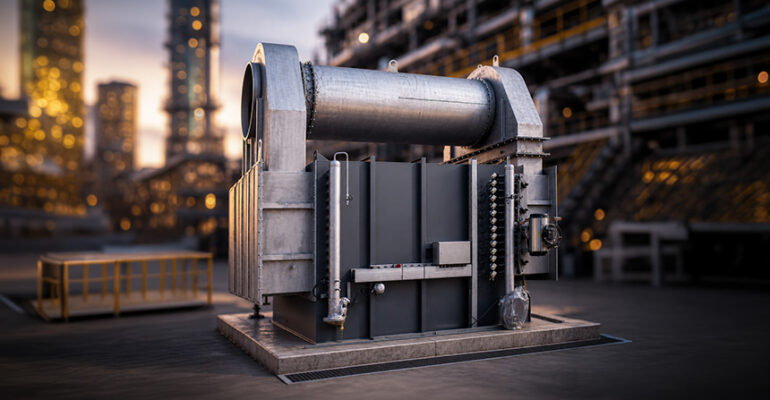
    waste heat recovery Systems image

    Turn Lost Energy into Measurable Operational Value

    Industrial processes can lose up to 20–50% of their energy input through exhaust gases and hot process streams. AURA Waste Heat Recovery Systems capture this untapped energy and convert it into usable process heat, improving overall efficiency and reducing operating costs.

    Why Choose AURA?

    40+ years of engineering experience
    5,000+ installations worldwide
    German engineering precision with global service capability
    ASME & National Board certified systems
    Tailor-made instead of modular commodity systems
    Fully customized systems (no standard products)
    In-house manufacturing and quality control
    End-to-end support: design, production, commissioning, and service
    Responsive engineering support
    400+ systems delivered to the US

    Waste Heat Recovery Technologies

    Three Technologies. One Objective.

    Waste heat recovery captures and reuses thermal energy that would otherwise be released to the atmosphere, improving process efficiency and reducing fuel consumption without additional energy input.

    Typical heat sources include: 

    • Flue gas from burners or boilers 
    • Gas turbine exhaust 
    • Furnaces and kilns 
    • Dryers and ovens 
    • Process exhaust air 

    Instead of releasing this energy into the environment, waste heat recovery (WHR) systems convert it into usable heat for:

    • Process heating 
    • Thermal fluid systems 
    • Steam or hot water generation 
    • Air preheating
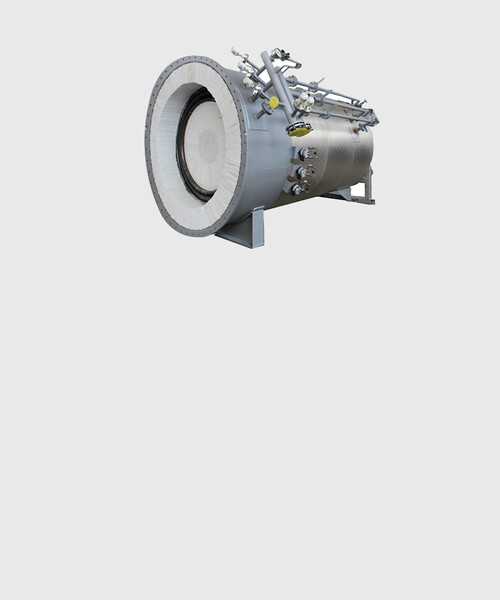
    Waste Heat Recovery Unit (WHRU)

    High-capacity recovery system for turbine exhaustflue gas, or large industrial wasteheat streams. 
    Heat source: flue gas / exhaust gas 
    Possible output medium: thermal fluidsteamhot wateror airdepending on design 
    Temperature range: based on exhaust source and target medium 
    Output range: up to 20,000 kW, if internally approved 

    Best Fit When:

    • Large exhaust volumes
    • Gas turbines
    • High-value heat recovery
    • Multi-use heat integration 
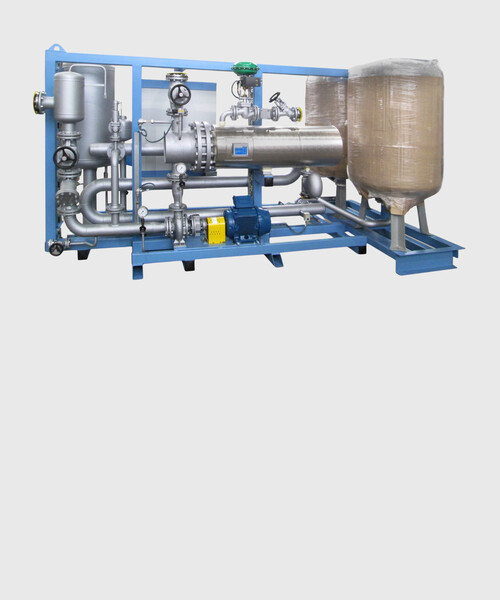
    Waste Heat Thermal Fluid Heating System

    Flue-gasheated thermal-fluid system for high-temperature process heat. 
    Heat source: flue gas / exhaust gas 
    Possible output medium: thermal fluid
    Thermal fluid temperature: up to 400°C / 752°F, if final approved 
    Output range: up to 15,000 kW

    Best Fit When:

    • Existing thermal-fluid loops
    • High-temperature process heat
    • Fuel-consumption reduction 
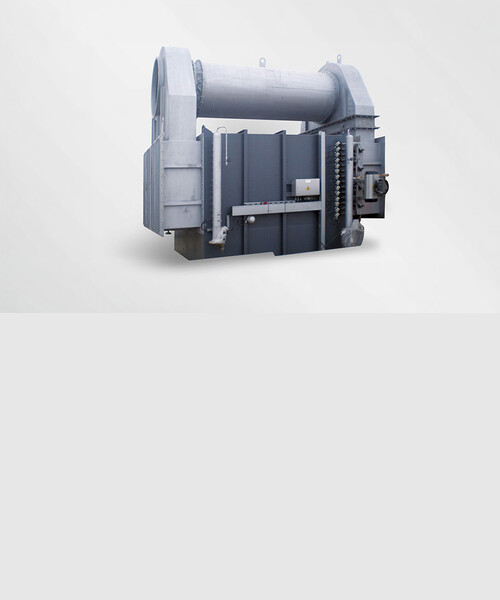
    Waste Heat Hot Water Heating System

    Flue-gas-heated hot-water system for process or facility heating. 
    Heat source: flue gas / exhaust gas 
    Possible output medium: hot water 
    Watetemperature: 40°C–230°C / 104°F–446°F, if final approved 
    Output range: up to 3,000 kW, if using the brochure value

    Best Fit When:

    • Hot water demand
    • Process preheating
    • Facility heat
    • Moderate-temperature applications 

    When you require?

    WHRU WHTF WHHW

    have a large, valuable exhaust stream and need a high-capacityengineered recovery unit

    want to recover exhaust heat into a thermal-oil loop for high-temperature process heat.

    I have hot-water or pressurized-hot water demand and want to use exhaust energy for processutilityor facility heat.

    How It Works?

    AURA waste heat recovery systems are engineered to capture unused thermal energy and convert it into valuable process heat. By reintegrating recovered energy into existing operations, they improve efficiency, reduce fuel consumption, and support long-term sustainability goals.

    1. Heat Source Identification
      Recoverable energy is captured from exhaust gas, flue gas, turbine exhaust, furnace exhaust, engine exhaust, or hot process air streams.
    2. Source Characterization
      Key parameters such as temperature profile, flow rate, pressure, gas composition, contaminants, operating hours, and allowable pressure drop are evaluated to determine recovery potential.
    3. Heat Sink Definition
      A suitable application for the recovered energy is established, including thermal fluid, hot water, steam generation, air heating, preheating, drying, or other process requirements.
    4. Engineered Heat Transfer
      Heat is transferred through a custom-designed heat exchanger selected based on gas conditions, target medium, fouling characteristics, material requirements, and maintenance accessibility.
    5. Process Heat Reintegration
      Recovered energy is reintegrated into the plant to supplement process heating, reduce primary fuel consumption, or support additional thermal loads.
    6. Control and Monitoring
      Temperature, flow, bypass control, pressure drop, and safety functions are continuously monitored and managed to ensure stable, efficient, and reliable system operation.

    Technical Benefits & Lifecycle Value

    Waste heat comparison aura

    The business case for waste heat recovery is influenced by exhaust temperature, gas flow rate, operating hours, fuel costs, process heat demand, retrofit complexity, maintenance requirements, and payback objectives. AURA conducts a detailed evaluation of these factors to recommend the most technically and economically viable waste heat recovery solution.

    • Utilizes existing exhaust gas energy
    • Improves energy efficiency
    • Reduces fuel consumption
    • Lowers operating costs
    • Reduces CO₂ emissions
    • Supports sustainability goals
    • Generates value from waste heat
    • Attractive payback potential
    • Enhances plant performance
    • Improves ROI
    • Reduces energy dependency
    • Supports environmental compliance

    Applications

    • Turbine & Engine Exhaust Recovery
      Recover heat from gas turbines, engines, and power generation systems.
    • Furnace & Combustion Exhaust Recovery
      Capture waste heat from furnaces, kilns, ovens, dryers, and combustion processes.
    • Thermal-fluid Process Heating
      Use recovered energy to support thermal-fluid heating systems.
    • Hot Water Generation
      Produce hot water for process, utility, and facility heating applications.
    • Dryer & Oven Heat Support
      Improve efficiency in drying and curing operations across multiple industries.
    • Chemical & Process Plant Integration
      Recover heat for reactors, process vessels, refineries, and chemical plants.
    • Crude fluid Processing & Offshore Applications
      Utilize turbine exhaust heat for thermal-fluid heating in offshore and energy facilities.

    Key Features

    • Custom-engineered systems tailored to process conditions
    • High-efficiency heat exchangers for optimal energy transfer
    • Integration with existing heating systems (electric or fired)
    • Designed for continuous industrial operation
    • Compatible with thermal oil, steam, and hot water systems
    • Robust construction for long-term durability
    • Engineered for minimal energy loss and maximum recovery

    Applications

    • Chemicals
    • Plastics
    • Nonwovens
    • Pulp & Paper
    • Food Industry
    • Energy Transition

    Frequently Asked Questions

    A waste heat recovery system captures unused thermal energy from industrial exhaust gases or process streams and converts it into usable process heat.
    These systems are widely used in power generation, oil & gas, chemical processing, refineries, food processing, and manufacturing industries.
    Waste heat recovery helps reduce energy consumption, lower operating costs, improve process efficiency, and reduce CO2 emissions.
    Yes. Most systems can be customized and integrated into existing industrial processes and heating infrastructures.
    AURA provides complete engineering, manufacturing, integration, commissioning, and after-sales support for customized waste heat recovery systems.
    When a stable heat source, sufficient temperature, adequate flow, long operating hours, and a useful heat demand exist.
    Yes, but retrofit feasibility depends on ducting, access, downtime window, foundations, controls, existing heat consumers, and available space.

    Archives

    Cart
  • Your cart is empty Browse Shop
    Select the fields to be shown. Others will be hidden. Drag and drop to rearrange the order.
    • Image
    • SKU
    • Rating
    • Price
    • Stock
    • Availability
    • Add to cart
    • Description
    • Content
    • Weight
    • Dimensions
    • Additional information
    Click outside to hide the comparison bar
    Compare