


The increasing demand for energy-efficient and high-performance industrial operations has made retrofitting an effective strategy for modernizing existing process heating systems. Upgrading current equipment allows industries to improve performance, enhance efficiency, and reduce operating costs without the need for complete system replacement.
At AURA Process Heat, retrofitting is driven by engineering expertise and process understanding, ensuring that each upgrade is tailored to specific application requirements and delivers measurable improvements in performance, reliability, and energy efficiency. Rather than replacing an entire heating infrastructure, retrofitting focuses on optimizing existing systems to meet modern production and operational standards.
Industrial facilities across sectors such as chemicals, plastics, food processing, nonwovens, pulp and paper, and energy continue to expand production capacities while facing increasing pressure to improve sustainability and operational efficiency. In many facilities, aging heating systems remain one of the largest sources of energy loss and inconsistent process performance.
Over time, older thermal systems can experience:
- Reduced heat transfer efficiency
- Inconsistent temperature control
- Increased fuel or power consumption
- Higher maintenance requirements
- Unplanned downtime and operational interruptions
These challenges not only affect operational costs but can also impact product quality and production consistency. Retrofitting helps address these issues by improving overall system performance while maintaining continuity of operations.
AURA designs retrofit solutions that ensure precise temperature control, optimized energy utilization, and reliable performance across a wide range of industrial heating applications. Every retrofit project begins with a detailed evaluation of the existing system, operating conditions, and process requirements. This allows the engineering team to identify inefficiencies and recommend upgrades that deliver the highest operational value.
One of the key advantages of retrofitting is the ability to modernize systems without the high capital expenditure associated with complete replacement. Many industrial facilities operate complex heating infrastructures that are deeply integrated into production lines. Replacing these systems entirely can result in significant downtime, production losses, and operational disruption. Retrofitting offers a practical alternative by enhancing existing equipment while preserving core infrastructure.
All upgraded systems are engineered to meet recognized industry standards and performance requirements. By integrating modern components and advanced control systems, retrofitted solutions improve operational reliability, safety, and overall system efficiency.
AURA ensures that every retrofit aligns with global quality standards while maintaining the durability and performance required for continuous industrial operation. Systems are designed not only to improve current efficiency but also to support long-term operational stability and future production demands.
The scope of retrofitting can vary depending on the condition and requirements of the existing system. Typical retrofit activities include:
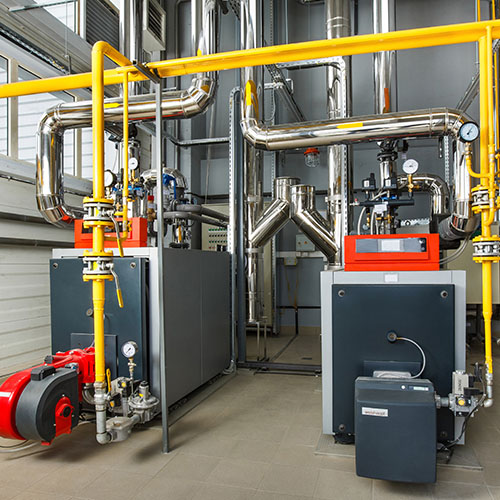
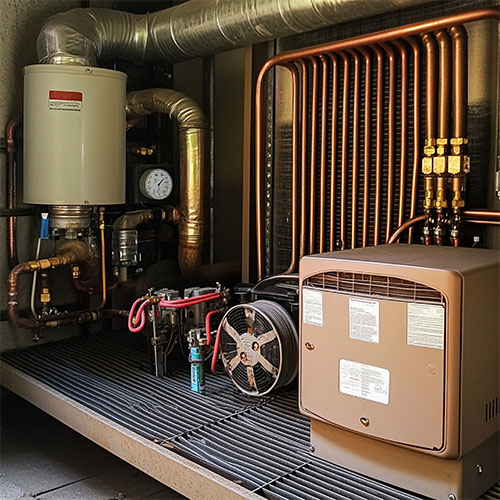
- Upgrading boilers for improved combustion efficiency
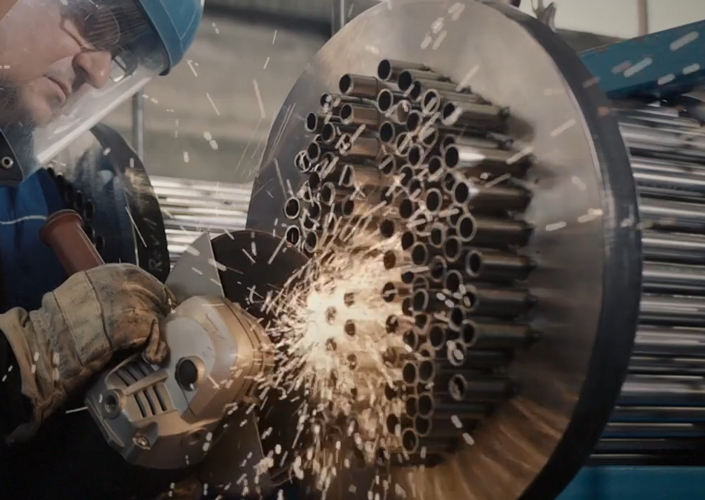
- Replacing outdated heating elements
- Optimizing circulation and heat transfer performance
- Improving waste heat recovery integration
- Modernizing safety and monitoring systems
These upgrades significantly improve system responsiveness, temperature stability, and energy efficiency. In many cases, retrofitted systems also reduce emissions and support sustainability goals by lowering overall energy consumption.
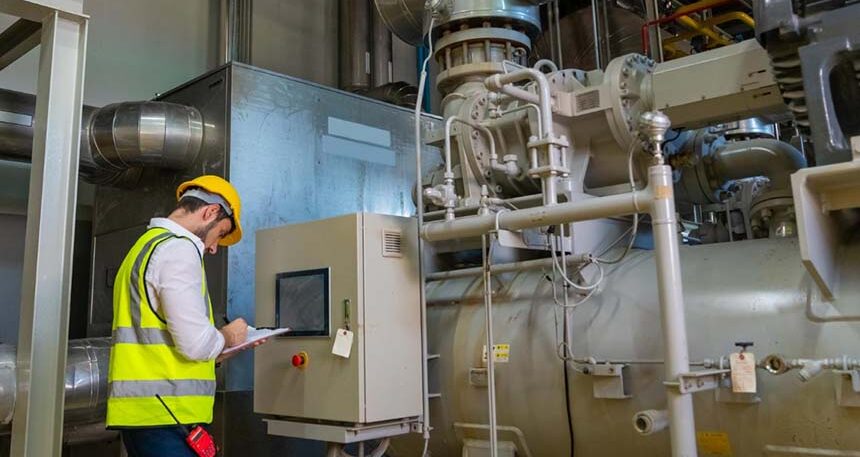
Advanced control systems play an important role in modern retrofit projects. Older heating systems often lack the automation and monitoring capabilities required for efficient process management. By integrating modern temperature controllers, sensors, and monitoring technologies, industries gain better visibility into system performance and can maintain tighter control over production conditions.
This level of precision is especially important in industries where process temperature directly affects product quality, such as food processing, chemical manufacturing, plastics extrusion, and nonwoven production. Stable and accurate heating improves consistency while reducing material waste and production variability.
Another major advantage of retrofitting is improved equipment lifespan. Aging systems that continue operating without upgrades often experience accelerated wear and increased maintenance frequency. Retrofitting key components allows industries to extend the operational life of existing infrastructure while improving reliability and reducing unexpected failures.
The ability to improve performance in a cost-effective manner has made retrofitting a preferred choice across industries looking to modernize operations while maintaining production continuity. As energy prices continue to rise and sustainability targets become more important, industries are increasingly investing in retrofit solutions to improve operational efficiency and reduce long-term costs.
Strategy for Delivering Advanced Retrofitting Solutions
AURA follows a customer-focused approach to retrofitting, combining technical expertise with application-specific engineering. Every retrofit solution is developed based on the customer’s process requirements, production environment, and long-term operational goals.
Rather than applying standardized upgrades, AURA focuses on delivering tailored solutions that align with the exact operating conditions of the facility. This approach ensures improved system integration, optimized performance, and long-term operational reliability.
The use of high-quality materials, precision engineering, and modern technologies enhances system durability and supports operation under demanding industrial conditions. In-house engineering capabilities also allow AURA to manage complex retrofit projects efficiently while ensuring quality control throughout the process.
Customized retrofitting solutions enable industries to modernize existing heating systems without significant capital investment. By improving energy efficiency, temperature control, and system reliability, AURA helps organizations achieve:
- Reduced operating costs
- Improved production consistency
- Enhanced energy efficiency
- Lower maintenance requirements
- Extended equipment life
- Better long-term operational stability
As industrial operations continue to evolve, retrofitting remains one of the most practical and cost-effective strategies for improving heating system performance. With decades of process heating expertise, AURA Process Heat delivers retrofit solutions designed to maximize efficiency, reliability, and long-term value for industrial operations worldwide.