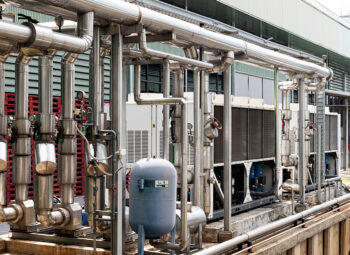



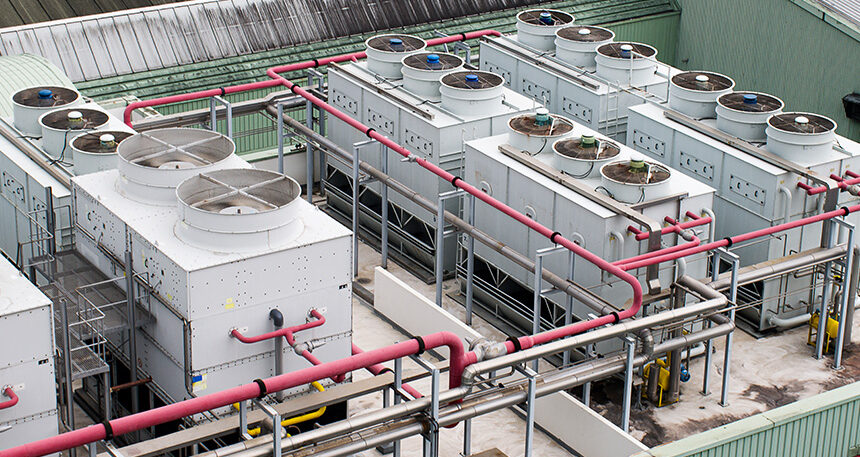
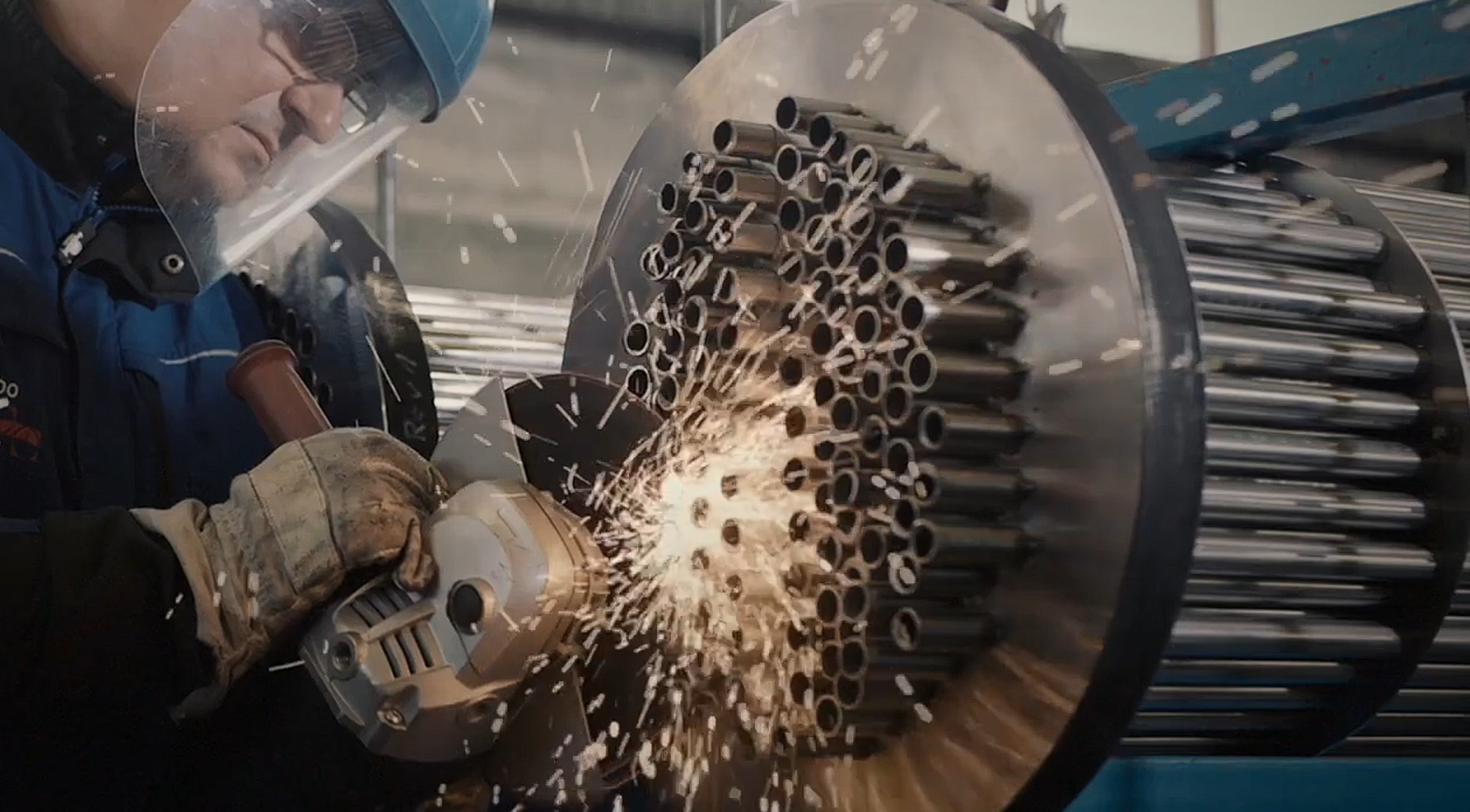
Strategy for Delivering Advanced Heat Recovery Solutions
AURA follows a process-focused approach to heat recovery system engineering. We combine technical expertise with application-specific designs. Every solution develops around the facility’s thermal profile, operational requirements, and long-term efficiency goals.
High-quality heat exchangers, optimized thermal designs, and advanced control systems ensure reliable and efficient operation under demanding industrial conditions. Furthermore, AURA focuses on maximizing usable energy recovery while maintaining process stability and operational reliability.
Customized heat recovery solutions allow industries to modernize existing heating infrastructure. As a result, plant operators improve overall plant efficiency without facing major operational disruptions.
Key Benefits of Heat Recovery Integration
By integrating heat recovery technologies into steam or fired heating systems, industries can achieve:
- Reduced energy consumption
- Improved process efficiency
- Lower operating costs
- Reduced emissions
- Enhanced system reliability
- Better long-term sustainability
Custom Engineering for Sustainable Operations
As industries focus on energy optimization and sustainable operations, heat recovery systems have become an essential part of modern heating strategies.
With decades of process heating expertise, AURA Process Heat delivers custom-engineered heat recovery solutions. These systems improve efficiency, reliability, and long-term operational performance across industrial applications worldwide.
Industrial Heat Recovery Systems and Solutions
The increasing focus on energy efficiency and sustainable industrial operations has made heat recovery systems an important part of modern process heating strategies. Across industries, production processes lose significant thermal energy through exhaust gases, flue streams, and high-temperature outputs. Recovering and reusing this energy helps industries improve operational efficiency, reduce energy costs, and optimize overall performance.
AURA Process Heat engineers custom heat recovery solutions to maximize energy utilization while supporting continuous industrial operations. By integrating advanced heat recovery technologies into existing heating systems, industries significantly improve efficiency without compromising productivity or operational stability.
Addressing Industrial Energy Losses
Industrial operations face growing pressure to reduce energy consumption and improve sustainability. Energy-intensive sectors—such as chemicals, food processing, plastics, pulp and paper, nonwovens, and manufacturing—rely heavily on thermal processes that generate substantial excess heat.
In many facilities, operators release this unused heat directly into the environment. This practice causes unnecessary energy losses and inflates operational expenses. Heat recovery systems solve these inefficiencies by capturing excess thermal energy and redirecting it back into production.
Practical Applications for Recovered Energy
Facilities can reuse this captured thermal energy to perform several critical functions:
- Preheating process fluids
- Supporting thermal fluid heating systems
- Heating water or air systems
- Improving combustion efficiency
- Reducing primary fuel consumption
By reusing existing thermal energy, industries lower overall energy demand while improving system efficiency and operational performance.
How Heat Recovery Systems Work
Heat recovery systems transfer thermal energy from high-temperature exhaust streams or industrial processes to a secondary medium. This secondary medium typically consists of thermal oil, water, or air. Consequently, energy that would otherwise escape gets reused directly within the production cycle.
Depending on your application, engineers can integrate heat recovery into:
- Thermal fluid heating systems
- Fired heating systems
- Steam and hot water systems
- Drying and processing operations
- Industrial exhaust and waste heat systems
Improved energy efficiency stands out as a major advantage of heat recovery integration. Utilizing recovered heat reduces the load on primary heating systems and minimizes fuel or power consumption. As a result, facilities lower operational costs while meeting environmental sustainability goals.
Engineering for Safety and Reliability
Modern heat recovery systems deliver stable, reliable performance under demanding industrial conditions. Advanced engineering and optimized heat exchanger designs ensure efficient heat transfer while maintaining process stability and operational safety.
AURA designs every solution around specific process conditions, operating temperatures, and energy recovery potential. Furthermore, all systems meet recognized industry standards to ensure maximum efficiency and long-term reliability.
System Configurations and Options
The scope of heat recovery includes various technologies tailored to your available energy source:
- Waste heat recovery systems
- Thermal oil heat recovery integration
- Heat exchangers optimized for process performance
- Waste heat recovery units
- Integrated hybrid heating systems
These configurations improve overall plant efficiency while supporting continuous production. Additionally, heat recovery technologies maintain consistent heating conditions, which enhances overall process stability.
Industry Applications and Economic Impact
Industries with continuous thermal processes gain significant operational advantages from heat recovery solutions:
- Food Processing: Operators use recovered heat to support drying and preheating operations.
- Chemicals & Plastics: Thermal energy reduces overall heating demand and stabilizes production temperatures.
- Pulp & Paper: Systems optimize drying and calendering processes while minimizing energy losses.
Reduced environmental impact represents another major benefit. Lowering fuel consumption helps industries cut emissions and fulfill sustainability initiatives without sacrificing output. As energy regulations tighten, heat recovery technologies become increasingly vital for industrial optimization.
Finally, heat recovery systems deliver strong long-term operational cost savings. Although system modification requires an initial engineering investment, the resulting reduction in fuel usage yields rapid payback and lasting financial gains.