


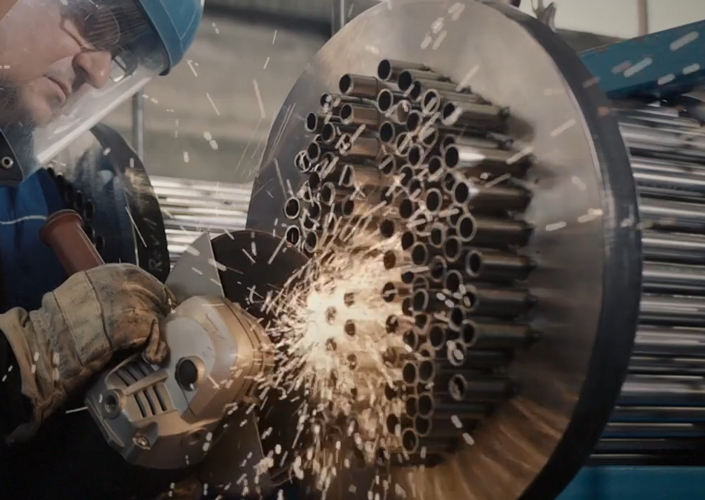
The increasing demand for efficient and reliable industrial heating has made thermal fluid systems an essential part of modern process operations. Industries across the world rely on thermal fluid heating systems to achieve precise temperature control, stable heat transfer, and high operational efficiency. These systems are widely used in applications where continuous and controlled heating is critical to maintaining product quality and production performance.
At AURA Process Heat, thermal fluid systems are engineered based on specific process requirements, ensuring optimized performance, long-term reliability, and energy-efficient operation. By combining engineering expertise with application-focused design, AURA delivers customized thermal fluid solutions suitable for a wide range of industrial environments.
Industrial operations continue to expand with increasing production demands and stricter efficiency requirements. As manufacturing processes become more advanced, the need for stable and uniform heat transfer has become more important than ever. Conventional heating systems can often struggle with inconsistent temperature control, high operating pressure, and increased energy losses.
Thermal fluid systems help overcome these challenges by providing indirect heat transfer through a closed-loop circulation process. Thermal fluids, also known as heat transfer oils, absorb heat from the heating source and transfer it efficiently to process equipment such as reactors, dryers, calenders, presses, laminating systems, and heat exchangers.
One of the major advantages of thermal fluid systems is their ability to operate at high temperatures while maintaining relatively low operating pressure. This allows industries to achieve safe and efficient process heating without the complexities commonly associated with high-pressure steam systems.
Thermal fluids are specifically designed to deliver:
- High thermal stability
- Efficient heat transfer performance
- Reliable operation at elevated temperatures
- Long operational life
- Resistance to thermal degradation
These characteristics make thermal fluid systems suitable for industries requiring accurate temperature control and continuous operation under demanding production conditions.
All thermal fluid systems are engineered to meet recognized industry standards and operational requirements. By integrating advanced controls, optimized circulation systems, and high-quality components, modern thermal fluid systems improve overall process efficiency and operational reliability.
AURA ensures that every thermal fluid system is designed to deliver stable temperature control, efficient energy utilization, and long-term durability. Systems are customized based on operating conditions, heating capacity, and process-specific application requirements to ensure maximum performance.
The scope of thermal fluid systems includes a wide range of heating technologies and configurations. Depending on industrial requirements, systems may include electrically heated thermal oil systems, fired thermal fluid heaters, integrated waste heat recovery systems, and hybrid heating solutions.
Typical system components include:
- Thermal fluid heaters
- Circulation pumps
- Expansion tanks
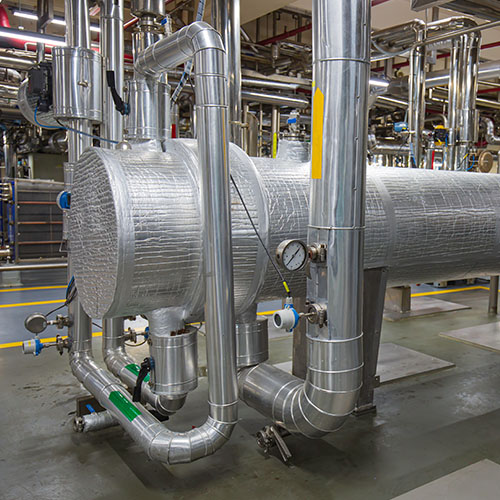
- Heat exchangers
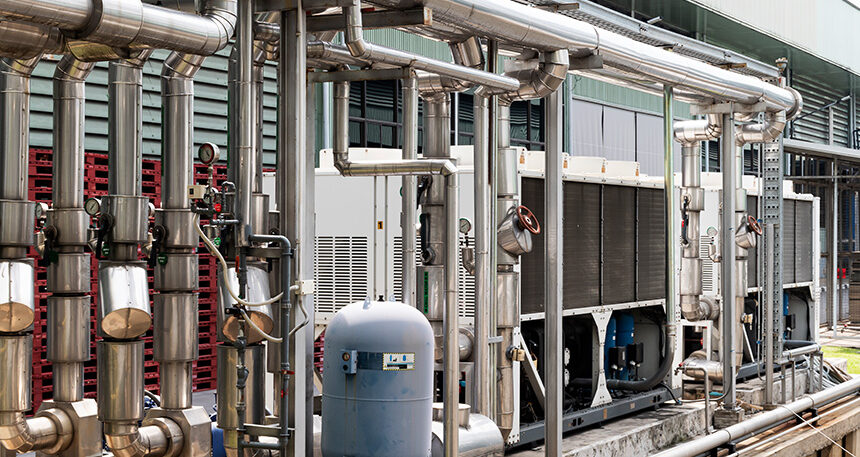
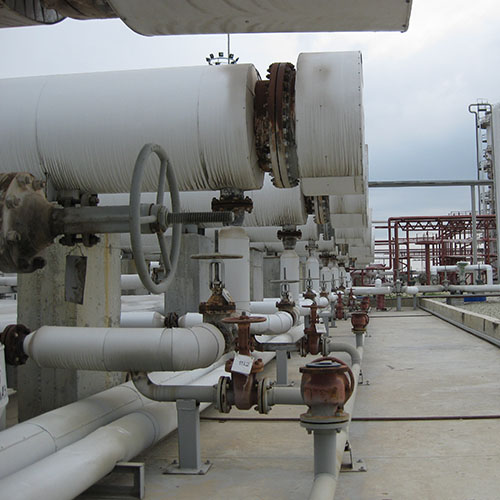
- Insulated piping systems
- Advanced temperature and safety controls
These systems provide consistent heat transfer while minimizing energy losses and improving process stability. The ability to deliver high-temperature heating with precise control has made thermal fluid systems a preferred solution across multiple industries.
Industries such as chemicals, plastics, nonwovens, pulp and paper, food processing, and energy rely heavily on thermal fluid systems for efficient and reliable process heating. In many applications, accurate temperature control directly impacts product quality, operational efficiency, and production consistency.
Thermal fluid systems also offer operational advantages such as lower maintenance requirements, improved safety, and flexible system integration. Compared to conventional steam-based systems, thermal fluid heating systems often reduce operational complexity while improving overall system efficiency.
Strategy for Delivering Advanced Thermal Fluid Systems
AURA follows a process-focused approach to thermal fluid system engineering, combining technical expertise with application-specific design. Every system is developed based on the customer’s operational requirements, production environment, and long-term performance goals.
The use of high-quality materials, precision engineering, and advanced control technologies ensures reliable and efficient operation under demanding industrial conditions. By optimizing heat transfer performance and system integration, AURA helps industries improve productivity while reducing energy consumption and operational costs.
Customized thermal fluid systems provide industries with a flexible and energy-efficient solution for modern process heating requirements. By delivering stable heat transfer, precise temperature control, and long-term operational reliability, AURA supports industrial operations in achieving improved performance, efficiency, and sustainability.